


Amazon’s Echo devices have evolved considerably across five generations, focusing on design, audio quality, and smart home features. From the original cylindrical shape in 2014 to the sleek spherical model in the latest generation, these changes reflect advancements in technology. Each version has improved sound, with increased clarity and deeper bass, while smart home integration became seamless with built-in Zigbee hubs. Curious about all the specifics? There’s more to explore about these innovative devices.
Key Takeaways
- The 1st Generation Echo introduced voice-activated assistance with a tall cylindrical design, setting the standard for smart speakers.
- The 2nd Generation improved audio quality and shifted to a more compact design, featuring a small Amazon logo.
- The 3rd Generation adopted a fabric-covered exterior enhancing acoustics, providing richer sound without a front logo.
- The 4th Generation showcased a spherical design with a built-in Zigbee hub for better smart home integration and improved sound dispersion.
- The 5th Generation retained the spherical shape while enhancing audio capabilities and introducing advanced features like eero Wi-Fi compatibility.
Overview of Echo Generations
When exploring the world of smart speakers, the Amazon Echo stands out as a pivotal player. Beginning with the 1st Generation Echo, released in 2014, users experienced voice-activated assistance for the first time within a cylindrical design. Then came the 2nd Generation Echo in 2017, enhancing audio quality while adopting a more compact form. As technology progressed, the 3rd Generation, launched in 2019, offered a stylish fabric exterior and an improved sound experience. The 4th Generation Echo, introduced in 2020, featured a spherical design with a built-in Zigbee hub for seamless smart home integration. Finally, the 5th Generation Echo, released in 2022, refined this design with better audio quality, ensuring users enjoy a versatile smart speaker experience with each iteration. The Amazon Echo Show 15, a smart display with a 15.6-inch Full HD screen, further expanded the Echo lineup in 2026 by incorporating built-in Fire TV and customizable widgets for enhanced smart home control.
Key Design Changes Across Generations

The evolution of the Amazon Echo showcases a series of thoughtful design changes that catered to user preferences and technological advancements. The 1st Generation Echo featured a tall, cylindrical design, setting the tone for smart speakers in 2014. With the introduction of the 2nd Generation, Amazon downsized the device, offering a more compact shape and durable hard plastic exterior, which many users appreciated. The 3rd Generation adopted a rounded form with fabric covering, enhancing both aesthetic appeal and sound quality. By the 4th Generation, the Echo shifted to a sleek, spherical design that included a built-in Zigbee hub for smart home integration. Finally, the 5th Generation retained this spherical design but introduced advanced sound technology and a handy built-in eero Wi-Fi extender. Customizable shortcuts on Alexa Voice Remote Pro devices are another aspect of Amazon’s commitment to enhancing user convenience and personalization across their product lines.
Audio Quality Improvements

As audio technology advanced, Echo generations transformed conspicuously in sound quality, resulting in richer listening experiences that appealed to music lovers. The first generation offered basic audio capabilities, focusing more on voice commands than sound reproduction. However, significant improvements in audio quality emerged with the second generation, featuring enhanced bass and clarity suitable for music playback. The third generation further refined its design with fabric covering, boosting acoustics and enriching sound. By the fourth generation, the spherical shape improved sound dispersion, immersing listeners even more. Finally, the fifth generation built upon these advancements, delivering clearer dialogue and deeper bass. These incremental improvements guarantee that each new Echo generation meets and exceeds audio expectations, especially for avid music fans. Additionally, compact models like the Amazon Echo Pop offer a stylish design that fits seamlessly into small spaces, providing full sound tailored for smaller environments.
Recommended Products
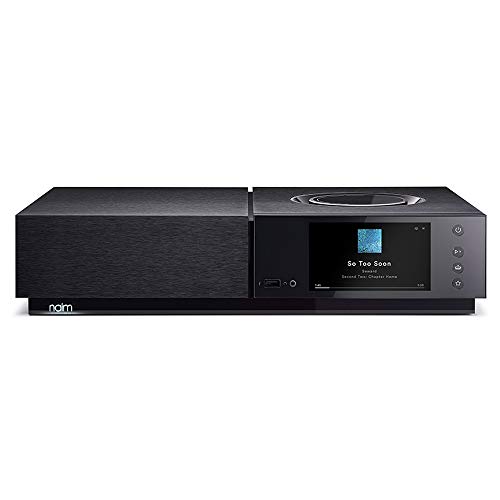
3 Tier PCB arrangement to provide the shortest analogue signal path and best sound

LS60 Wireless aims to bring high-fidelity sound to more people in their homes. With the combination of all our key technologies, LS60 Wireless delivers high-fidelity sound up to 24bit/384kHz.

70W per channel Class AB Power Amplifier (the bottom board)
Smart Home Integration Features
Smart home integration features in the latest Echo generations really take convenience to a new level. The fourth and fifth generation devices include built-in Zigbee hubs, eliminating the need for extra hardware when connecting to smart home devices. The Echo Dot (Gen 5) enhances interaction even more with its ultrasound motion detectors, allowing gesture control. Plus, the added room temperature functionality helps manage environmental conditions more effectively. Devices like the Echo Show and Echo Studio not only support smart home integration but also enhance the experience with rich audio and visual feedback. Additionally, compatibility with Eero Wi-Fi systems guarantees seamless network coverage throughout your home, making smart home integration smoother than ever. It’s simple—these features streamline your daily life. The Amazon Echo Hub Smart Home Control Panel offers an 8-inch touchscreen for managing multiple smart devices, further enhancing user convenience and control.
Recommended Products
![SmartThings Hub 3rd Generation [GP-U999SJVLGDA] Smart Home Automation Hub Home Monitoring Smart Devices - Alexa Google Home Compatible - Zigbee, Z-Wave, Cloud to Cloud Protocols – White](https://m.media-amazon.com/images/I/21hChu0ounL._SL500_.jpg)
Monitor and control compatible devices in your home using a single smartphone app for your phone
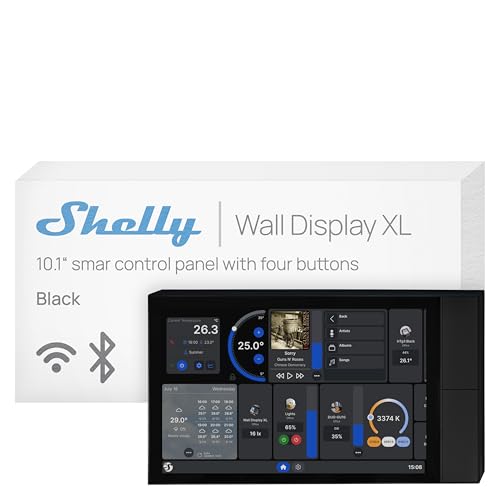
Shelly Wall Display XL Black is a sleek 10.1” Wi-Fi smart home control panel with built-in relay switching and four customizable buttons for instant, app-free control of lights, HVAC, scenes, and more. Designed for standard wall boxes, it gives homes, hotels, and commercial spaces effortless control over all Shelly devices. Monitor real-time energy usage, manage everything remotely via the Shelly Smart Control App, and enjoy seamless integration with Wi-Fi, MQTT, and Home Assistant.

Zigbee 3.0 Standard: Works with compatible Zigbee hubs or Echo devices with Zigbee hub built-in, such as Echo (4th Gen), Echo Plus (1st Gen and 2nd Gen), Echo Studio. It also works seamlessly with popular Zigbee hubs like SmartThings (2015/2018/Station), Aeotec, Eero 6 & 6 Pro, Home Assistant (ZHA/ZigBee2MQTT), Hubitat Elevation, Homey Bridge, Homey Pro and Third Reality Hub, Smart Bridge MZ1
Identifying Echo Models by Generation
Identifying Echo models by generation offers a snapshot of how these devices have evolved over the years. The 1st Generation Echo, released in 2014, showcases a cylindrical design and basic functionalities. In comparison, the 2nd Generation Echo, launched in 2017, improved audio quality while featuring a more compact shape and a small Amazon logo for easy identification. The 3rd Generation Echo brought a fabric-covered exterior and eliminated the logo on the front, creating a cleaner look. The 4th Generation Echo adopted a spherical design, incorporated a Zigbee hub, and enhanced user interaction with a downward light ring. Finally, the 5th Generation Echo maintained that spherical shape, improved audio quality, and added advanced smart home features, making identifying Echo models both practical and insightful. Among the 10 Best Alexa Smart Speakers, the Echo Dot (5th Gen) stands out for its enhanced audio experience, seamless streaming capabilities, and integrated smart home controls.
Summary of Pricing and Value
Exploring the pricing and value of Amazon’s Echo devices reveals a range of options suitable for different budgets and needs. For those seeking affordability, the Echo Dot starts at around $49.99, while the Kids Edition is even more budget-friendly at approximately $34.99. If better sound quality is desired, the Echo Dot Max provides enhanced features for $99.99. Meanwhile, the premium Echo Studio, priced at $219.99, offers impressive audio for music lovers. For users interested in smart home management, the Echo Hub, offered at $179.99, delivers solid value with its touch-enabled display. Finally, larger models like the Echo Show 15, priced at $299.99, provide visual functionality and improved sound, enriching one’s smart home experience nicely. Many Echo devices also integrate seamlessly with smart thermostats compatible with Alexa, allowing for efficient home climate control and energy management.
Frequently Asked Questions
What Is the Difference Between Echo Pop 1st Generation and Echo Dot 5th Generation?
The Echo Pop features a budget design targeting younger consumers, while the Echo Dot 5th Generation offers superior sound quality, advanced smart home integration, and enhanced functionalities, justifying its higher price compared to the Echo Pop.
What Are the Different Echo Generations?
Like a fine wine, Echo generations evolved with refined audio quality, design changes, and user interface updates, showcasing a notable Echo features comparison. Each iteration enhanced smart home integration, adapting to user needs over time.
Which Amazon Echo Generation Is Best?
The best Amazon Echo generation is the 5th, offering superior voice recognition improvements, enhanced audio performance, seamless smart home integration, and competitive price versus performance, while also considering device size for various user needs.
Why Are People Getting Rid of Alexa?
As the tides of technology shift, people are downsizing smart speakers amid rising privacy concerns and compatibility issues. Outdated preferences and alternatives like Google Assistant and Siri encourage many to part ways with Alexa.


