As an Amazon Associate, we earn from qualifying purchases. Some links may be affiliate links at no extra cost to you. Although our opinions are based on curated research, we haven't used these products. Articles generated with AI.

3 Best Alexa-Compatible Door Sensors for Ultimate Home Security

If you’re looking to boost your home security, consider the Ring Alarm Contact Sensor, THIRDREALITY Zigbee Contact Sensor, and Aqara Zigbee Door and Window Sensor. The Ring’s tool-free installation and long battery life are big pluses, while THIRDREALITY pairs easily with Alexa for quick monitoring. Aqara offers great compatibility with Apple and Alexa, too! Each has unique features to make your home safer. Stick around, and you’ll discover more about what makes these sensors stand out!
Key Takeaways
- The Ring Alarm Contact Sensor offers easy installation, long battery life, and direct compatibility with Alexa for instant alerts.
- THIRDREALITY Zigbee Contact Sensor integrates seamlessly with Alexa, provides smart routines, and is easy to set up.
- Aqara Zigbee Door and Window Sensor works with Apple HomeKit and Alexa, but requires a separate hub for full functionality.
- Look for sensors that support easy mounting on various door types without tools, ensuring hassle-free installation.
- Prioritize sensors with robust alerts and monitoring capabilities to enhance your home security effectively.
Ring Alarm Contact Sensor – 2nd Gen
Sale

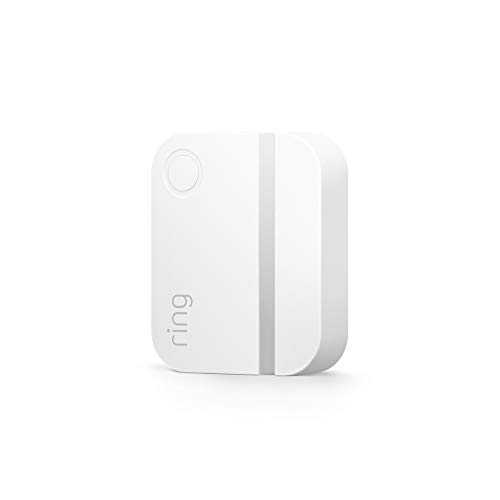
Ring Alarm Contact Sensor - 2nd Gen | Instant Window & Door Alerts | Approximately 3-Year Battery...
- Get instant mobile alerts when doors and windows open in your home.
- Now smaller to enable increased placement options.
- Easy installation with no tools required.

If you’re looking for an effective way to secure your home, the Ring Alarm Contact Sensor – 2nd Gen is a top pick for anyone seeking an Alexa-compatible solution. This sleek sensor alerts you instantly whenever a door or window opens, keeping your home safe. It’s incredibly easy to install—no tools required! Just mount it where you need, and you’re good to go. With a battery life of about three years, you won’t be changing batteries often. Plus, it connects to the Ring Base Station from up to 250 feet away. (That’s a pretty decent range!) Enjoy peace of mind today!
Best For: Homeowners looking for an easy-to-install and effective security solution for doors and windows.
Pros:
- Instant alerts for any openings of doors and windows.
- Tool-free installation makes setup quick and hassle-free.
- Long battery life of approximately three years.
Cons:
- Requires Ring Alarm Base Station for functionality.
- Designed for indoor use only, limiting placement options.
- Connectivity range may be reduced in enclosed spaces or with obstructions.
THIRDREALITY Zigbee Contact Sensor for Home Automation
Sale

THIRDREALITY Zigbee Contact Sensor, Door and Window Monitor, Home Automation, Works with Home...
- ZIGBEE STANDARD COMPATIBLE DOOR SENSOR: Works with compatible Zigbee hubs or Echo devices with Zigbee hub built-in. Such as Echo (4th Gen), Echo Plus (1st Gen and 2nd...
- HASSLE-FREE SETUP: Installs in a few seconds. Just make sure device in paring mode and compatible Echo device automatically discovers it by saying “Alexa, discover...
- SUIT FOR MOSTLY DOORS AND WINDOWS OF THE HOUSE AND 2-YEARS LONG BATTERY LIFE: Door Sensor uses two AAA 1.5V Alkaline batteries for power, the batteries can last for up to...
The THIRDREALITY Zigbee Contact Sensor is a fantastic choice for those looking to enhance their home automation setup with ease. This sleek, battery-powered sensor monitors doors and windows, conveniently working with Zigbee hubs or compatible Echo devices like the Echo 4th Gen. Installation takes just seconds—simply put it in pairing mode and let Alexa discover it. You’ll appreciate its smart features, like creating routines that activate with door or window movement. Best of all, it runs up to two years on just two AAA batteries. (No need for an electrical degree here!) With solid customer ratings, it’s a reliable addition to your home.
Best For: Individuals looking to easily monitor doors and windows for home automation with a reliable Zigbee-compatible sensor.
Pros:
- Hassle-free installation allows quick setup with no tools required.
- Long battery life of up to two years ensures minimal maintenance.
- Integration with multiple smart home platforms, including Alexa, Apple HomeKit, and Google Home, enhances versatility.
Cons:
- Limited to indoor use, which restricts placement options.
- Not compatible with metal doors or windows, potentially limiting installation locations.
- Dependence on a Zigbee hub or compatible Echo device, which may necessitate additional purchases for some users.
Aqara Zigbee Door and Window Sensor 3 Pack

Aqara Zigbee Door and Window Sensor 3 Pack, Wireless Mini Contact Sensor, Home Automation, Requires...
- [Notes] An Aqara Hub is required and sold separately. (Not compatible with hubs from other brands.) Requires a secure 2.4GHz Wi-Fi connection for Hub M2, M1S, E1, M1S...
- [Proximity] For a sturdy connection, ensure that the Aqara Door and Window Sensor is within 400 inches of the Aqara Zigbee hub, and the hub is within the same range from...
- [Unauthorized Entry Detection & Home Automation] The Zigbee Door Sensor alerts your phone and triggers the Aqara Hub's local alarm upon unexpected door/window openings...
For those looking to elevate their home security with smart technology, the Aqara Zigbee Door and Window Sensor 3 Pack is a stellar option. This wireless mini contact sensor enhances your home automation and works seamlessly with Apple HomeKit and Alexa. However, you’ll need to buy the Aqara Hub separately since it doesn’t play nice with third-party hubs. These sensors alert you via phone notifications and even trigger alarms when doors or windows are opened unexpectedly. Plus, installation is a breeze! Just adhere them to doors, windows, or cabinets within 0.86 inches. Your smart home journey just got a major upgrade!
Best For: Homeowners seeking a smart security solution that integrates with Apple HomeKit and Alexa.
Pros:
- Easy installation with adhesive backing for doors, windows, and cabinets.
- Real-time alerts and notifications enhance security by detecting unauthorized entry.
- Voice control capabilities via Apple HomeKit and Alexa provide convenient hands-free operation.
Cons:
- Requires a separate purchase of the Aqara Hub, as it is not compatible with third-party hubs.
- Limited range, needing to be within 400 inches of the Aqara Hub for optimal functionality.
- Full features may be restricted when using Zigbee2MQTT or third-party USB dongles.
Factors to Consider When Choosing an Alexa Compatible Door Sensor

When you’re choosing an Alexa-compatible door sensor, you’ve got a few important factors to think about. You’ll want to check compatibility with your Alexa devices, how easy it is to install, and of course, the battery life. Also, consider the connectivity technology and security alerts included—after all, you want your home to stay safe and sound (and effortless to manage!).
Compatibility With Alexa Devices
Choosing a door sensor compatible with Alexa can feel like a maze, but it’s easier than it sounds. Start by checking if the sensor integrates with Zigbee hubs or directly pairs with your Echo devices. Look for models that support Alexa routines—these let you automate actions like sending alerts or controlling other smart devices. You’ll also want to determine if the sensor needs a separate hub for full functionality, as some options do. Don’t forget about voice command compatibility; make sure the sensor can be easily discovered and controlled using simple instructions. Finally, review customer feedback to see how well the sensor integrates with Alexa, helping you avoid any surprises when it counts. Happy shopping!
Installation Ease and Process
Finding the right Alexa-compatible door sensor isn’t just about tech specs; installation ease plays a significant role too. Look for sensors that mount effortlessly without tools and come with straightforward setup instructions. You want devices that quickly enter pairing mode for smooth integration with your Alexa, making your smart home set up in no time. Consider sensors designed for various door types, allowing you to install them wherever they best fit your home’s style. Research options with flexible connection methods, like compatible hubs, to boost your device’s functionality. Also, check for clear guidelines that detail placement requirements, ensuring effective detection without any fuss (because who needs unnecessary complications, right?). A little research goes a long way!
Battery Life and Maintenance
Battery life and maintenance are essential factors to think about, especially since you don’t want your door sensor dying on you unexpectedly. Some sensors can last up to three years with a 3V CR2032 battery, while others might only offer two years with AAA alkaline batteries. Make sure the battery type is easily accessible; using common battery types simplifies replacements. Also, consider how often you use the sensor—more frequent alerts might drain the battery faster, so regular checks become key. Look for sensors that send low battery alerts through connected apps, helping you stay proactive. Understanding battery specifications lets you plan maintenance intervals, ensuring your home security system remains reliable and effective (after all, you don’t want surprises!).
Connectivity Technology Used
When you’re considering a door sensor compatible with Alexa, understanding the connectivity technology used is key to seamless integration. You’ll find that different sensors use technologies like Zigbee, Z-Wave, or direct Wi-Fi. Zigbee sensors need a hub or a smart speaker with one built-in, which might complicate setup a bit. On the flip side, Z-Wave requires its own compatible hub. While Wi-Fi sensors offer easy installation, they’re often less reliable in larger homes due to distance limitations. Zigbee can reach up to 400 inches, while Z-Wave maxes out at 250 feet. Always check that your chosen sensor aligns with your existing smart home ecosystem, like Amazon Alexa, to guarantee everything works smoothly together.
Security Features and Alerts
Choosing an Alexa-compatible door sensor is vital for keeping your home secure, and there are a few key features you should definitely consider. First, look for sensors that provide instant alerts when doors or windows open, ensuring you know immediately about any unauthorized access. Besides alerts, it’s important to choose a sensor that triggers local alarms for unexpected openings—this amps up your home security. You’ll also want phone notifications for real-time updates, particularly for sensitive areas like kids’ rooms. Finally, consider sensors that integrate with Alexa routines, allowing actions like turning on lights when doors open. This synergy can enhance your home’s safety and convenience (plus, who doesn’t love a little automation?).
Integration With Other Devices
How well does your door sensor play with other smart devices in your home? When selecting an Alexa-compatible sensor, you’ll want one that integrates smoothly with your existing smart home ecosystem. This means being able to control everything from lights to alarms with a single command—pretty convenient, right? Check if the sensor supports Alexa routines for automation when a door opens. Plus, compatibility with systems like Apple HomeKit or Google Home can broaden your smart home options. Sensors that work with Zigbee or Z-Wave also enhance connectivity, especially in larger setups. Don’t forget to take into account app functionality for battery monitoring and easy notifications. It all adds up to a smarter, more responsive home environment. So, make the right choice!
Range and Distance Limitations
While integrating your door sensors with other smart home devices is important, considering the range and distance limitations of these sensors can’t be overlooked. Z-Wave sensors can communicate effectively up to 250 feet in open air, which is impressive. However, if you opt for Zigbee devices, keep in mind they typically need to stay within 33 feet of their hubs. When you place these sensors indoors, walls and metal structures can really mess with your connection. Likewise, avoid installing Zigbee sensors on metal doors or windows, as that’ll weaken the signal. Understanding these distance limitations will help you position your Alexa-compatible door sensors for the best performance, giving you peace of mind about your home’s security.
Design and Size Considerations
When you’re on the hunt for the perfect Alexa-compatible door sensor, size and design definitely matter. You’ll want to take into account the dimensions carefully; smaller models usually fit nicely without blocking other items. A slim design—around 1.5 inches by 2 inches—does the trick for discreet installation on doors or windows. Plus, keeping the sensor’s thickness under 0.86 inches guarantees it won’t interfere with opening mechanisms (no one wants a stubborn door, right?). Look for options with easy installation, like adhesive mounts, which save you time. Finally, go for lighter models at around 2 ounces or less for easier setup without compromising stability. It’s all about balancing functionality and aesthetics while keeping security top of mind!
Frequently Asked Questions
Can These Sensors Work Without an Internet Connection?
No, these sensors typically need an internet connection to work properly. Think of them like a remote-controlled car—you need the controller nearby for it to respond. Without internet, they can’t send alerts, and you won’t receive notifications. Some may have limited functionality with local connections, but don’t expect full features. When shopping, consider reliability and guarantee you have a robust Wi-Fi setup, so your sensors can keep your home secure and connected.
Do Door Sensors Require Professional Installation?
Most door sensors don’t need professional installation, so you can easily set them up yourself! They usually come with simple instructions, making DIY installation a breeze. Some setups might require drilling or backing adhesive, but even that’s manageable with basic tools. If you’re not comfortable, though, there’s always the option to hire someone. Just remember, doing it yourself saves money and gives you a sense of accomplishment (plus, you can brag a little!).
Are These Sensors Compatible With Other Smart Home Systems?
Yes, many door sensors are compatible with various smart home systems, not just Alexa. They often integrate seamlessly with platforms like Google Home or Apple HomeKit. This compatibility allows you to control and monitor your devices from a single app, making life easier. However, always check the specifications before buying; some might work better with specific systems. So, do a little research to guarantee you find the best fit for your home!
What Is the Battery Life of These Door Sensors?
The battery life of these door sensors typically ranges from six months to two years, depending on usage and model. Most sensors use standard AA or AAA batteries, which are easy to replace, making your life simpler. You’ll want to check reviews for specific products since some brands might perform better than others. Keeping an eye on battery levels guarantees your home’s security remains intact (because a dead sensor isn’t very helpful, right?).
Can I Receive Alerts When the Door Is Opened?
Yes, you can receive alerts when your door opens. In fact, studies show that homes equipped with smart sensors reduce unauthorized entries by about 20%. Most door sensors connect to your smartphone or smart assistant, sending real-time notifications whenever there’s movement. These devices often include adjustable sensitivity settings and can integrate seamlessly with Alexa for voice alerts. Plus, they’re typically affordable, usually ranging from $20 to $50—definitely worth considering for added peace of mind!